Siem Reap, as we know it
Everyone goes to Angkor Wat at sunrise. What matters is what you do with the rest of the day. We move against the crowd — small temples in the morning, Bayon and Ta Prohm late — and break the temple days with a village lunch, a palm-sugar farm and a boat on the Tonle Sap.
In northwestern Cambodia, the resort town of Siem Reap gives visitors their base for exploring the Angkor Archaeological Park, capital of the Khmer Empire between the 9th and 15th centuries. Its centrepiece is Angkor Wat — the temple that appears on the national flag — but dozens more temple sites sit within easy driving distance of town.
Bayon Temple, which sits inside Angkor Thom's walled enclosure, is recognised for the carved stone faces gazing outward in every direction; when a visit needs to run past half a day, Preah Khan and Baphuon bring extra scale and detail into the mix. By evening the atmosphere shifts toward Pub Street and the neighbouring old French quarter, where bars, restaurants and night markets sit within easy tuk-tuk reach of most accommodation.
On its own, Siem Reap makes a fine short break; pair it with Phnom Penh instead, and one trip brings together the temples with the capital's waterfront and its historic sites.
What fills the days here
- Angkor Wat — the largest religious monument on Earth, best seen at sunrise
- Bayon Temple, Angkor Thom — the temple of carved stone faces
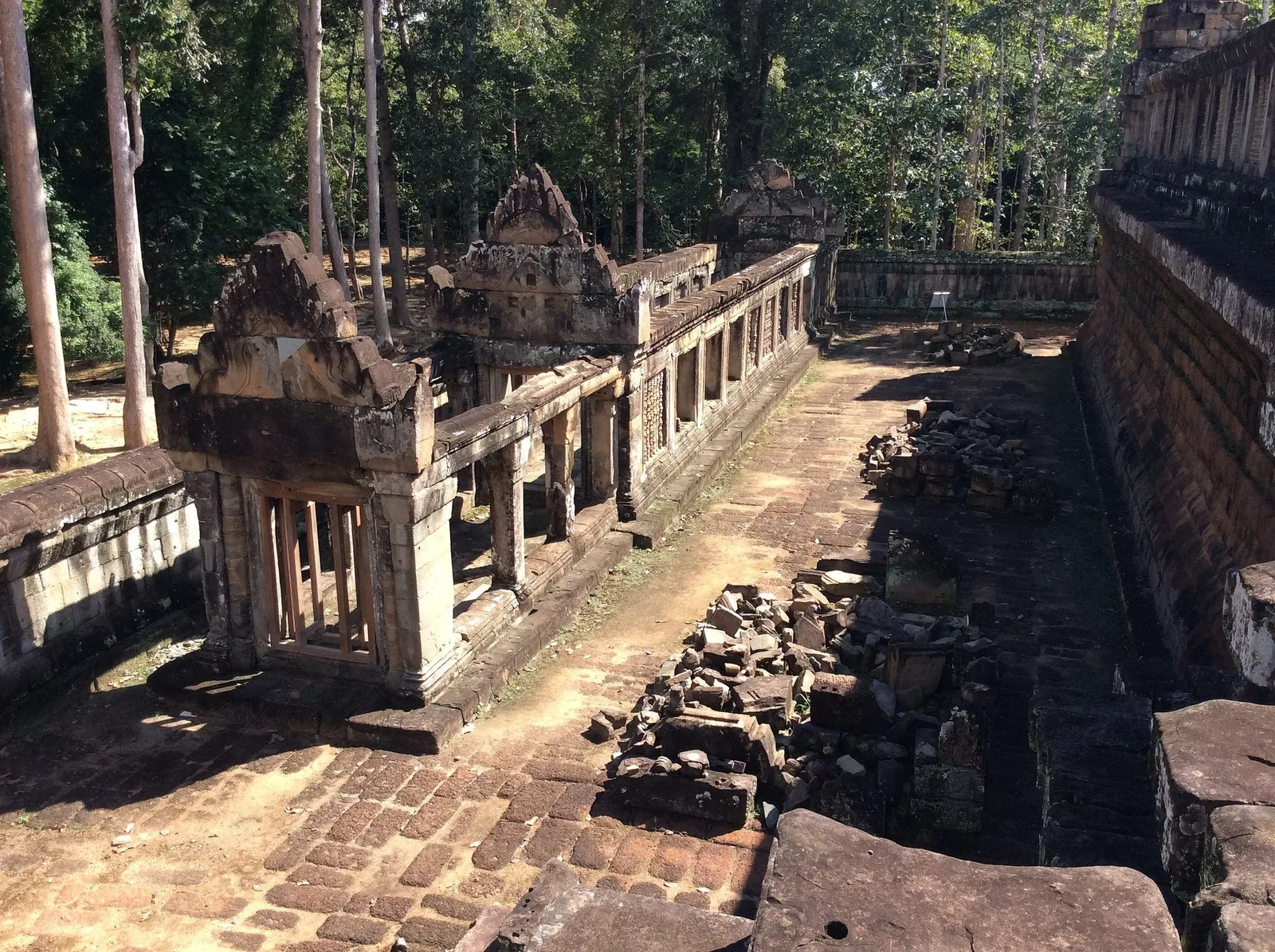
- Preah Khan — a large, atmospheric temple complex with jungle-reclaimed corridors
- Baphuon — a pyramid-temple within the Angkor Thom walls
- Phnom Bakheng — a hilltop shrine known for sunset views across the Angkor plain
- Pub Street (Street 8) — the heart of Siem Reap's evening scene, with restaurants, bars and pop-up night markets
The practical bits
| Details | |
|---|---|
| When to come | November to March: dry and cooler; the wet season fills the moats and empties the temples |
| Getting in | Siem Reap Angkor International Airport, or by road from Phnom Penh (about six hours) |
| Money | Riel and US dollars |
| How long | Two to four nights, depending on how deep into the temples you want to go |
Our trips that pass through Siem Reap
4D/3N Siem Reap Angkor Explorer
One more day opens up the broader Angkor park, past the headline temples.
Any stay in Siem Reap can be lengthened or paired with Phnom Penh at any time. Let us know your dates and group size, and we'll draft a day-by-day plan complete with hotel suggestions.